

By Gaurav Chovatia, DGM - LCL Network & Product at AMI Global Logistics Private Limited
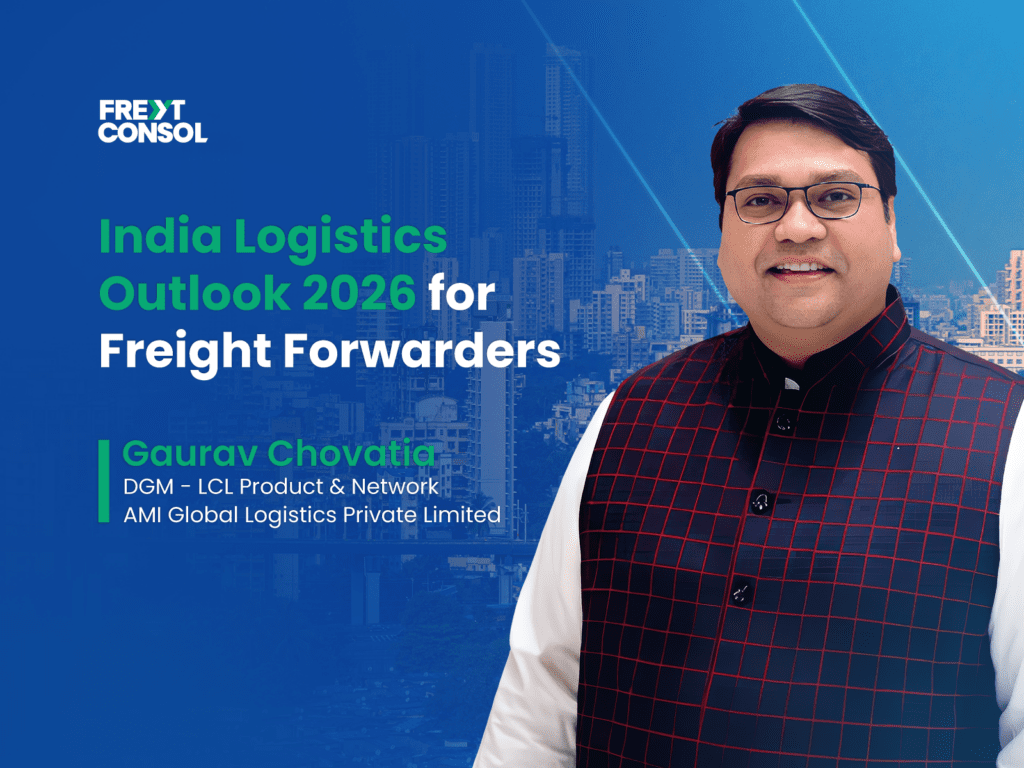
As we move through 2026, the India is no longer just a participant in international trade; it is becoming a primary engine. For businesses navigating the complexities of modern logistics, understanding the nuances of the Indian market is essential.
At AMI Global Logistics Private Limited, based in the bustling maritime hub of Mumbai, we have witnessed firsthand how infrastructure and policy are converging to create a new era for freight forwarding. Specifically, the consolidation segment is seeing unprecedented growth as small and medium enterprises (SMEs) look to tap into global markets with greater agility and lower overhead.
The Indian Logistics Ecosystem
India’s logistics sector is currently benefiting from a "perfect storm" of government support and private sector innovation. The National Logistics Policy (NLP) and the PM Gati Shakti National Master Plan have moved from vision to reality. These initiatives are designed to bring India’s logistics costs down from roughly 14% of GDP to a much more competitive 8%.
“The logistics landscape in India has moved beyond mere transportation,” Gaurav explains. “We are seeing a strategic shift toward system effectiveness. It is not just about building more roads or ports; it is about how these assets are digitally and physically connected to ensure that a shipment from the heart of Maharashtra can reach a shelf in Europe or North America with zero friction.”
Mumbai, as the gateway to India, remains the critical pivot point for these operations. With the expansion of capacity in western India and the modernization of port operations, the efficiency of handling LCL cargo has reached new heights. The ability to consolidate shipments from multiple vendors into a single container efficiently is what allows Indian exporters to remain competitive on the global stage.
Navigating the Shift to Digitalized Trade
One of the most significant changes we are managing in 2026 is the full-scale digitalization of customs and documentation. The Indian government’s Customs 2.0 program, aiming for total automation, has drastically shortened processing timelines. However, the human element remains vital.
For a freight forwarder, digitalization means more than just filing papers online. It means real-time visibility and the ability to manage exceptions before they become delays. In the world of LCL, where a single container might hold cargo for twenty different clients, the complexity of digital coordination is multiplied.
“Technology is a tool, but expertise is the navigator,” says Gaurav. “While we embrace the Unified Logistics Interface Platform (ULIP) and electronic bills of lading, our role is to provide the thought leadership that helps our clients understand these changes. We don’t just move boxes; we manage the data and the regulatory hurdles that can otherwise stall a supply chain.”
The focus in 2026 is on predictability. Global partners now expect day-definite and time-definite services. By leveraging Mumbai’s strategic position and the robust network provided by Freyt Consol, AMI Global Logistics ensures that even the smallest LCL shipment receives the same level of precision as a full charter.
Infrastructure as a Catalyst for Export Growth
The "Make in India" initiative and various Production Linked Incentive (PLI) schemes have turned India into a manufacturing powerhouse. This surge in production requires an equally powerful logistics backbone. We are seeing a massive rise in demand for specialized LCL services across sectors like pharmaceuticals, electronics, and automotive components.
The development of Multimodal Logistics Parks (MMLPs) has been a game-changer. These hubs allow for the seamless transfer of goods between rail, road, and sea. For our clients in Mumbai, this means shorter lead times and reduced "first-mile" costs, which are often the most volatile part of the logistics chain.
“Infrastructure is the foundation of our export competitiveness,” Gaurav notes. “When we reduce the turnaround time at our major ports through mechanization and better inland connectivity, we are directly putting money back into the pockets of our exporters. At AMI Global Logistics, we act as the bridge between this massive infrastructure and the individual needs of the shipper.”
Sustainability and the Future of Maritime Trade
As we look toward the remainder of 2026 and beyond, sustainability has moved from a "corporate social responsibility" buzzword to a core operational requirement. New international regulations, such as the expanded EU Emissions Trading System (ETS), are impacting how we calculate costs and choose our routes.
In the LCL sector, sustainability is actually an inherent advantage. By consolidating shipments, we maximize container utilization and reduce the carbon footprint per ton of cargo. It is a more efficient way to move goods, aligning economic goals with environmental necessities.
“The future of freight is green, and it is integrated,” Gaurav emphasizes. “We are helping our partners navigate the rising compliance costs of environmental regulations by providing more efficient consolidation strategies. Transparency in reporting carbon emissions is becoming as standard as a packing list.”
Why Expertise in Mumbai Matters
Mumbai is more than just a port city; it is the financial and logistical heartbeat of India. Navigating this market requires a partner who understands the local regulatory environment, the seasonal fluctuations of the monsoon, and the intricate web of inland transport.
Being a member of the Freyt Consol network allows AMI Global Logistics to combine this deep local expertise with a global reach. We provide our members and clients with the confidence that their cargo is being handled by specialists who treat every LCL shipment with the priority it deserves.
“Our goal is to make global trade accessible,” Gaurav concludes. “Whether you are shipping a single pallet or a regular volume of LCL cargo, you need a partner in Mumbai who can offer both the infrastructure and the insight to keep your business moving forward in this rapidly evolving market.”
Conclusion
The Indian logistics industry is in a state of historic growth. With the government’s vision of a "Viksit Bharat" (Developed India) by 2047, the maritime sector will handle 95% of the country’s trade by volume. For businesses worldwide, the opportunity to trade with India has never been greater, provided they have the right guidance.
AMI Global Logistics Private Limited remains committed to being that guide. By combining state-of-the-art digital tools with decades of operational experience in Mumbai, we ensure that your LCL consolidation needs are met with efficiency, transparency, and a forward-looking perspective. In 2026, the world is smaller, and the opportunities are larger, as long as you have the right partner on the ground.

Article written by
Freyt Consol is a global network for LCL consolidators and NVOCCs dedicated to excellence and long-term growth. We create an environment where members thrive by collaborating with trusted partners and accessing essential resources.
Read more Freyt Consol Blogs ⇲
- India Logistics Outlook 2026 for Freight ForwardersIndia’s logistics sector is entering a transformative phase in 2026, with Mumbai positioned at the center of LCL consolidation growth. Driven by digital customs reforms, infrastructure expansion, and government-backed initiatives, exporters are gaining greater efficiency and predictability. Gaurav of AMI Global Logistics shares how forwarders can leverage system connectivity, multimodal hubs, and strategic consolidation to stay competitive in the evolving Indian trade landscape.
- Kuwait Logistics Hub for Global Trade Success
 Kuwait’s growth as a logistics hub under Vision 2035, focusing on LCL demand and infrastructure. It highlights expert insights on digitalization, cold chain logistics, and regional trade opportunities.
 - Strengthening Global Trade through Chennai’s LCL Hub
 Chennai is emerging as a premier hub for LCL consolidation, driving India’s export growth through advanced infrastructure and digital innovation. With strategic reforms, multimodal connectivity, and sustainability initiatives, the city is redefining efficiency in global logistics. Srimani of Saccon Lines India Pvt Ltd shares expert insights on how Chennai’s capabilities are enabling seamless trade and supporting the evolving needs of international freight forwarders.