

By Hussain Munim, Managing Partner at Phoenix International Co Kuwait
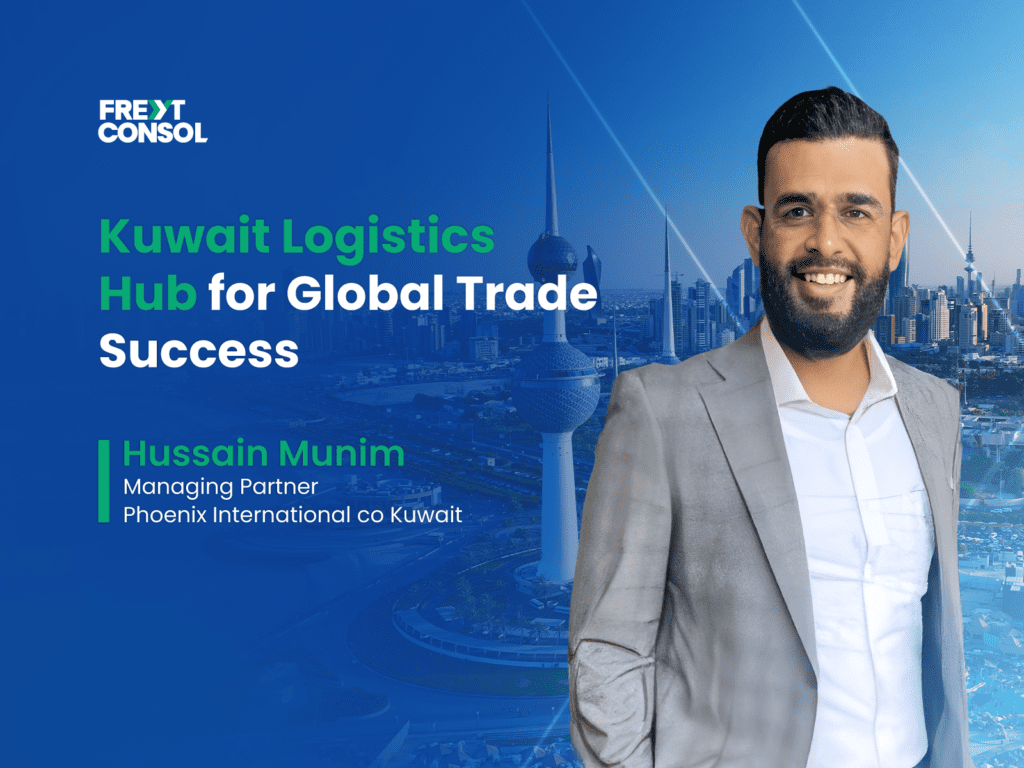
As the global supply chain landscape shifts toward more agile and diversified routes, Kuwait is rapidly emerging as a critical nexus for international commerce. Strategically located at the northern tip of the Arabian Gulf, the nation is no longer just an oil-rich economy; it is transforming into a sophisticated multi-modal logistics gateway. Under the ambitious "New Kuwait" Vision 2035, the country is investing billions in infrastructure, digitalization, and trade facilitation to reclaim its historical role as a regional merchant hub.
For businesses navigating the complexities of Middle Eastern trade, understanding Kuwait’s evolving logistics ecosystem is essential. From the massive development of the Mubarak Al-Kabeer Port to the rising demand for Less-than-Container Load (LCL) consolidation, the opportunities for smarter, more cost-effective shipping have never been greater.
The Strategic Evolution of Kuwait Logistics
Kuwait’s geographical position offers a unique advantage for cargo destined not only for the local market but also for the underserved northern Gulf corridors, including Iraq and parts of Central Asia. The government’s commitment to infrastructure is the bedrock of this transformation.
“The logistics sector in Kuwait is undergoing a fundamental shift,” explains Hussain, Managing Partner at Phoenix International Co. “We are moving away from traditional models toward a technology-driven, integrated approach that prioritizes speed and transparency. Our clients aren't just looking for a carrier; they are looking for a strategic partner who can navigate the regulatory and physical landscape of the Northern Gulf.”
The centerpiece of this evolution is the Mubarak Al-Kabeer Port on Boubyan Island. With Phase 1 nearing completion and a projected capacity of over 8 million TEUs upon full development, this port is set to compete with the largest hubs in the region. By integrating with China’s Belt and Road Initiative (BRI), Kuwait is positioning itself as a vital link in the 21st Century Maritime Silk Road.
LCL Consolidation as a Growth Engine for SMEs
One of the most significant trends in the Kuwaiti market is the explosive growth of LCL (Less-than-Container Load) shipping. As e-commerce continues to expand—projected to reach a 15% annual growth rate, small and medium-sized enterprises (SMEs) are seeking more flexible ways to manage their inventory without the high overhead of Full Container Loads (FCL).
LCL consolidation allows multiple shippers to share space within a single container, paying only for the volume they use. This model is particularly effective in Kuwait, where the retail and pharmaceutical sectors require frequent, smaller shipments to maintain lean supply chains.
“In a market characterized by high consumer demand and rapid retail turnover, LCL is no longer just an alternative, it’s a necessity,” Hussain notes. “By leveraging our global network through Freyt Consol, we provide Kuwaiti businesses with direct access to consolidation hubs in Europe, Asia, and the Americas, significantly reducing transit times and costs.”
Digitalization and the Future of Supply Chain Resilience
The "New normal" in freight forwarding is defined by disruption, whether from geopolitical tensions or global health crises. To combat this, Kuwaiti logistics providers are doubling down on digitalization. The adoption of AI-driven route optimization, real-time GPS tracking, and automated customs clearance is transforming how goods move through the country.
Digitalization isn't just about efficiency; it's about resilience. Having real-time visibility into the supply chain allows businesses to pivot quickly when disruptions occur.
“Technology is the equalizer in modern logistics,” Hussain says. “At Phoenix International, we utilize advanced track-and-trace systems to ensure our clients have total visibility. In the logistics world, information is just as valuable as the cargo itself. If you can’t track it, you can’t manage it.”
Navigating the Challenges of Northern Gulf Trade
While the opportunities are vast, shipping to and from Kuwait requires specialized local knowledge. The regulatory environment can be complex, and "last-mile" delivery in the region often presents unique challenges, from customs documentation to temperature-controlled requirements for perishables.
Kuwait’s cold chain market is a perfect example of this complexity. Driven by a reliance on food imports and a growing biopharmaceutical sector, the demand for refrigerated transport is surging. However, limited cold storage capacity means that logistics providers must be incredibly efficient in their "port-to-door" operations.
“Success in this region depends on meticulous planning and local expertise,” Hussain explains. “Whether it’s handling over-dimensional cargo for the oil and gas sector or managing delicate pharmaceutical shipments, you need a team that understands the local customs laws and the physical infrastructure. We pride ourselves on being that bridge for our international partners.”
Why Kuwait is the Next Frontier for Global Partners
As part of the Freyt Consol network, Kuwait serves as a vital entry point for global consolidators. The combination of government-backed infrastructure projects, a booming e-commerce sector, and a strategic location makes it an indispensable part of any Middle Eastern logistics strategy.
The development of "Logistics Cities" near Shuwaikh and Doha ports will further enhance the nation's warehousing and distribution capabilities. These zones are designed to provide seamless value-added services, such as labeling, packaging, and kitting, which are essential for modern retail supply chains.
“We are inviting the world to see Kuwait through a new lens,” Hussain says. “The investments we see today in our ports, airports, and roads are just the beginning. For our partners at Freyt Consol, Kuwait represents a stable, growing, and technologically advancing hub that is ready to handle the future of global trade.”
Conclusion: Partnering for Success in Kuwait
The transformation of Kuwait into a global logistics hub is well underway. For businesses looking to optimize their supply chains, the message is clear: the Northern Gulf is open for business, and Kuwait is the gateway.
By partnering with an experienced local leader like Phoenix International Co, businesses can navigate the complexities of the Kuwaiti market with confidence. From LCL consolidation to large-scale project cargo, the future of logistics in Kuwait is bright, efficient, and interconnected.
“Our mission is simple,” Hussain concludes. “We want to make Kuwait the easiest place in the world to do business. Through our partnership with Freyt Consol, we are bringing global standards to local expertise, ensuring that every shipment—no matter how small—reaches its destination with precision and care.”

Article written by
Freyt Consol is a global network for LCL consolidators and NVOCCs dedicated to excellence and long-term growth. We create an environment where members thrive by collaborating with trusted partners and accessing essential resources.
Read more Freyt Consol Blogs ⇲
- India Logistics Outlook 2026 for Freight Forwarders
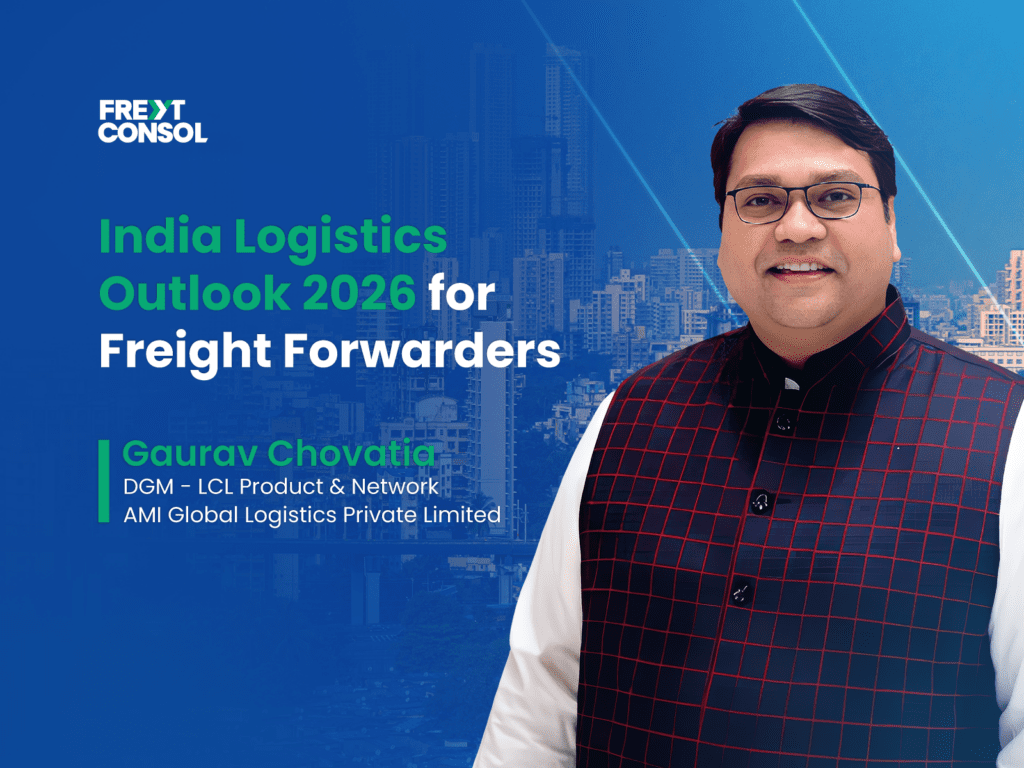 India’s logistics sector is entering a transformative phase in 2026, with Mumbai positioned at the center of LCL consolidation growth. Driven by digital customs reforms, infrastructure expansion, and government-backed initiatives, exporters are gaining greater efficiency and predictability. Gaurav of AMI Global Logistics shares how forwarders can leverage system connectivity, multimodal hubs, and strategic consolidation to stay competitive in the evolving Indian trade landscape.
 - Kuwait Logistics Hub for Global Trade SuccessKuwait’s growth as a logistics hub under Vision 2035, focusing on LCL demand and infrastructure. It highlights expert insights on digitalization, cold chain logistics, and regional trade opportunities.
- Strengthening Global Trade through Chennai’s LCL Hub
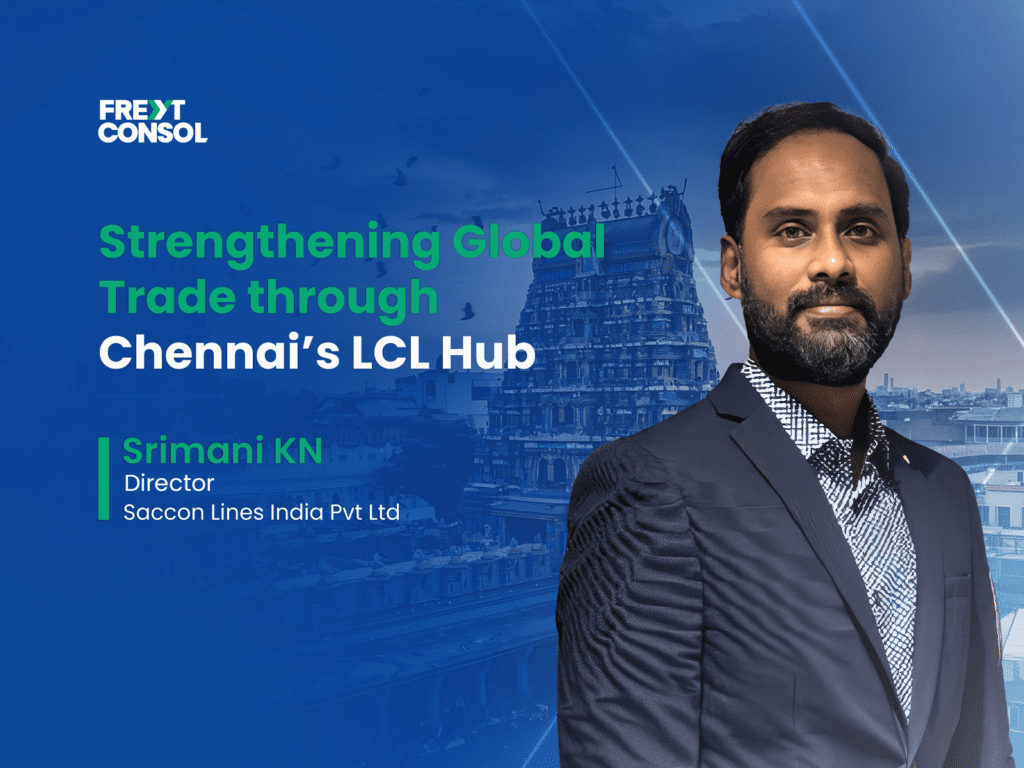 Chennai is emerging as a premier hub for LCL consolidation, driving India’s export growth through advanced infrastructure and digital innovation. With strategic reforms, multimodal connectivity, and sustainability initiatives, the city is redefining efficiency in global logistics. Srimani of Saccon Lines India Pvt Ltd shares expert insights on how Chennai’s capabilities are enabling seamless trade and supporting the evolving needs of international freight forwarders.