

11 Aug 2025
Fueling Turkey’s E-commerce Boom: How LCL Consolidation is Revolutionizing Logistics
By Can Özuysal, Overseas Business Development Manager of KTL International Transport & Logistics S.A.
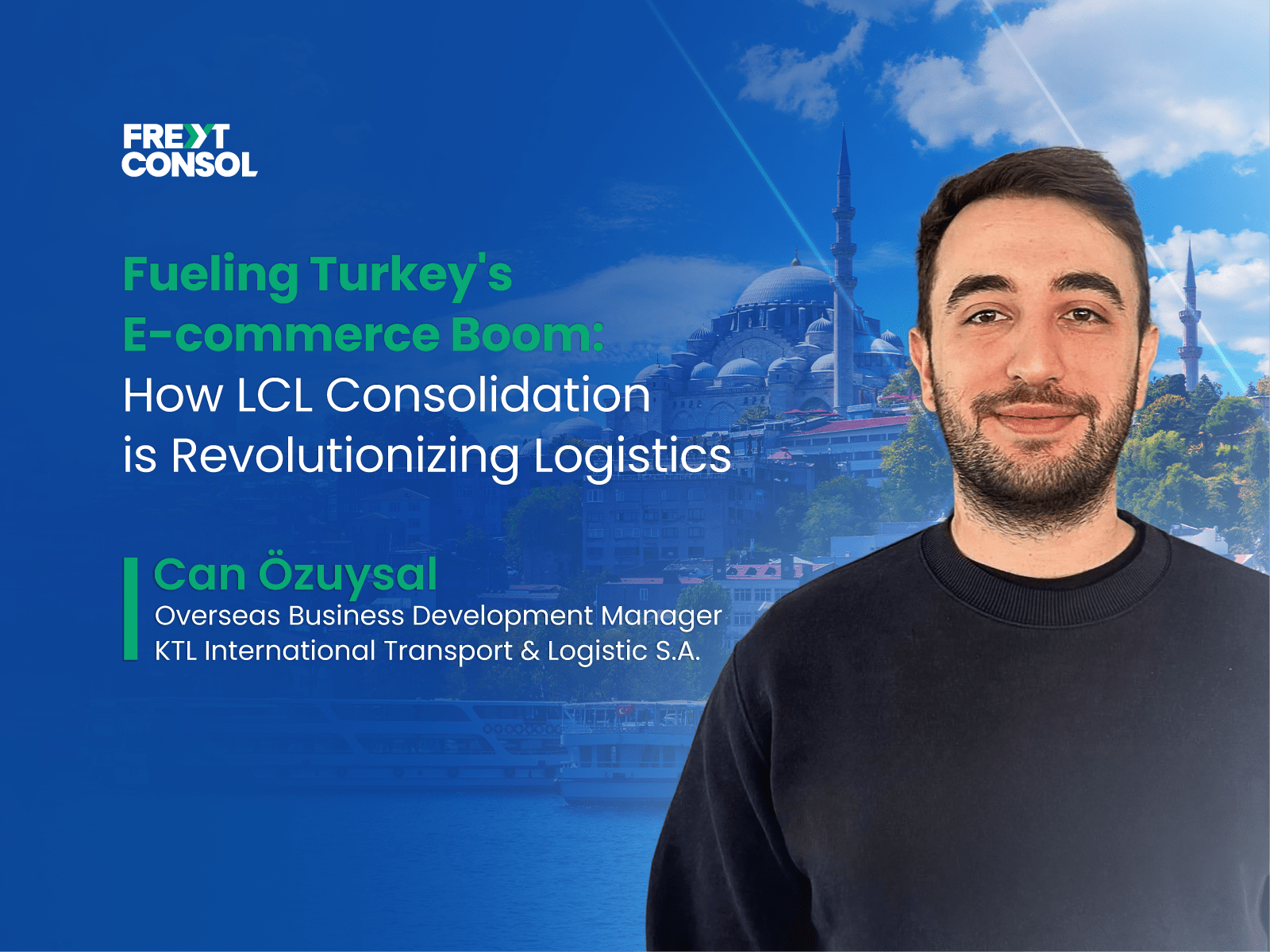
Turkey's e-commerce sector is experiencing explosive growth. With a young, tech-savvy population and a strategic location bridging Europe and Asia, the nation is rapidly becoming a powerhouse in online retail. This digital transformation, however, brings with it a new set of logistical challenges. As businesses of all sizes enter the online marketplace, the demand for flexible, cost-effective, and efficient shipping solutions has never been higher. This is where Less-than-Container Load (LCL) consolidation emerges as a game-changer.
The surge in e-commerce has led to a significant increase in smaller, more frequent shipments. For many small and medium-sized enterprises (SMEs), and even larger companies testing new markets, filling an entire container is not a viable option. This can lead to higher shipping costs, and logistical headaches. The pressure to provide fast, reliable, and affordable delivery to customers is immense, and traditional shipping methods often fall short.
LCL consolidation offers a powerful solution to these challenges. By combining multiple smaller shipments into a single container, LCL allows businesses to share the cost of shipping, making it a more economical choice. This approach not only reduces transportation costs but also provides the flexibility needed in the fast-paced world of e-commerce.
"The e-commerce boom in Turkey has been a double-edged sword for many businesses," says Can Ozuysal of KTL International Transport & Logistic S.A. "While it has opened up incredible opportunities, it has also exposed the inefficiencies of traditional shipping models. LCL consolidation is the key to unlocking the full potential of e-commerce, allowing businesses to be more agile, responsive, and competitive in the global market."
The benefits of LCL consolidation for e-commerce businesses in Turkey are clear:
- • Cost-Effectiveness: Pay only for the space you use, making it ideal for smaller shipments.
- • Flexibility: Ship goods as they are ready, without waiting to fill a full container.
- • Reduced Inventory Costs: Ship smaller, more frequent orders to better manage inventory and cash flow.
- • Market Access: Test new markets with smaller product quantities without a large financial commitment.
As Turkey continues to solidify its position as a global e-commerce hub, the role of LCL consolidation will only become more critical. The ability to move goods quickly, reliably, and affordably is the engine that will drive the continued growth of this dynamic sector.

Article written by
Freyt Consol is a global network for LCL consolidators and NVOCCs dedicated to excellence and long-term growth. We create an environment where members thrive by collaborating with trusted partners and accessing essential resources.
Read more Freyt Consol Blogs ⇲
- India Logistics Outlook 2026 for Freight Forwarders
 India’s logistics sector is entering a transformative phase in 2026, with Mumbai positioned at the center of LCL consolidation growth. Driven by digital customs reforms, infrastructure expansion, and government-backed initiatives, exporters are gaining greater efficiency and predictability. Gaurav of AMI Global Logistics shares how forwarders can leverage system connectivity, multimodal hubs, and strategic consolidation to stay competitive in the evolving Indian trade landscape.
 - Kuwait Logistics Hub for Global Trade Success
 Kuwait’s growth as a logistics hub under Vision 2035, focusing on LCL demand and infrastructure. It highlights expert insights on digitalization, cold chain logistics, and regional trade opportunities.
 - Strengthening Global Trade through Chennai’s LCL Hub
 Chennai is emerging as a premier hub for LCL consolidation, driving India’s export growth through advanced infrastructure and digital innovation. With strategic reforms, multimodal connectivity, and sustainability initiatives, the city is redefining efficiency in global logistics. Srimani of Saccon Lines India Pvt Ltd shares expert insights on how Chennai’s capabilities are enabling seamless trade and supporting the evolving needs of international freight forwarders.