

By Gerard Goh, Global Relationships Manager of China Sea Marine - Singapore
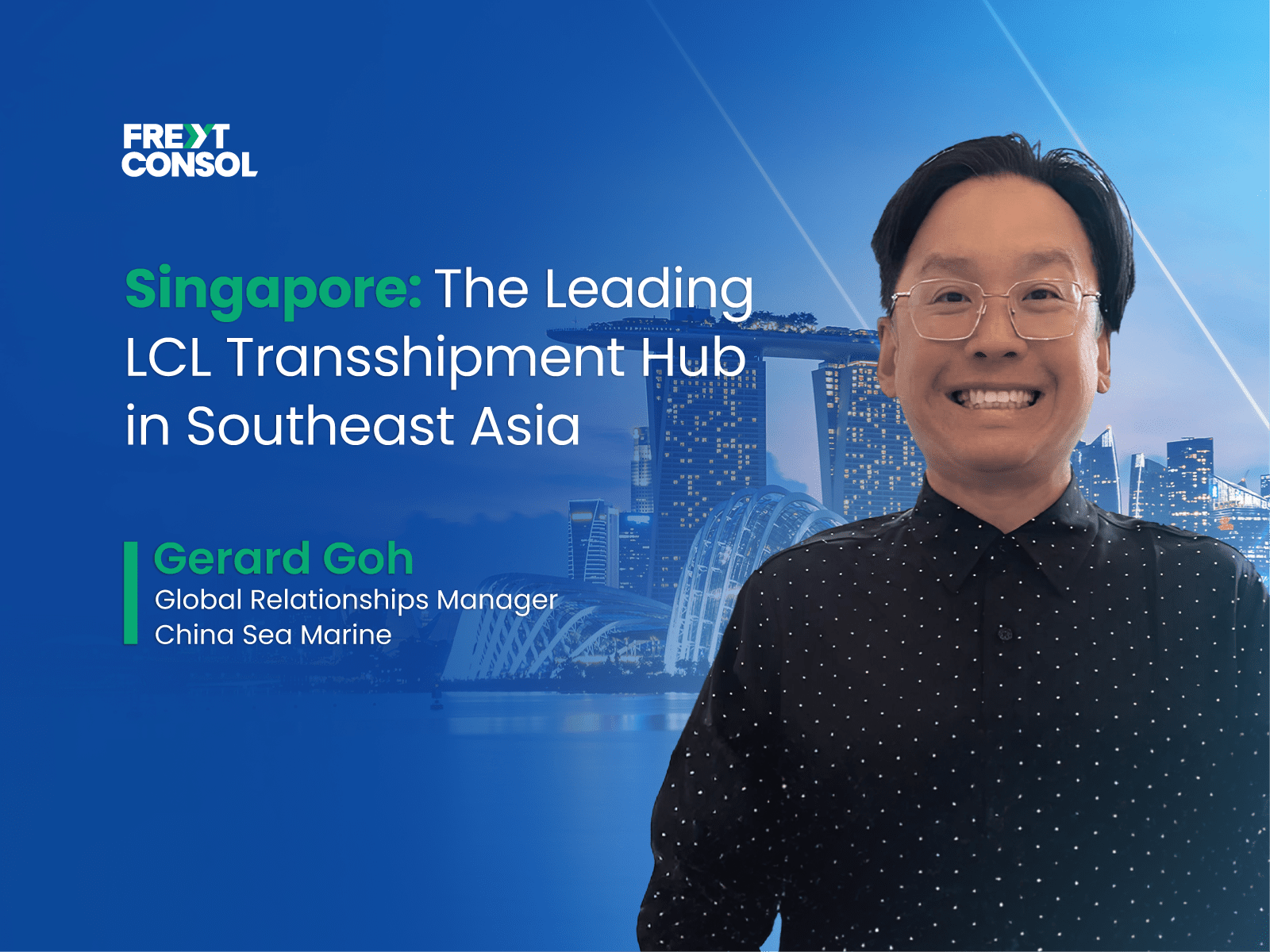
In global trade, a strategic hub acts as the conductor, ensuring every instrument plays in perfect harmony. For businesses shipping Less than Container Load (LCL) cargo to, from, or within Southeast Asia, that conductor is unequivocally Singapore. Its world-class port is a strategic gateway that can unlock unprecedented efficiency and reliability for your entire supply chain.
But how do you truly harness the power of this logistical powerhouse?
Unmatched Connectivity: The Heart of ASEAN Logistics
Singapore’s strategic location is its most obvious advantage, but its true strength lies in its unparalleled connectivity. The Port of Singapore is connected to over 600 ports in 120 countries, with daily sailings to every major market. For LCL consolidation, this means unparalleled options and flexibility.
Instead of navigating complex, less frequent direct routes to smaller regional ports, businesses can use Singapore as a central distribution point. Cargo from Europe, the Americas, or North Asia can be efficiently consolidated in Singapore and then dispatched on frequent short-sea routes to its final destination in the ASEAN region. This "hub and spoke" model drastically reduces transit times and increases the reliability of your shipping schedule.
The Efficiency Engine: Speed, Simplicity, and Free Trade Zones
Connectivity is meaningless without efficiency. Singapore’s port and customs authorities are renowned for their streamlined processes. Advanced digital platforms allow for quick and often paperless cargo clearance, minimizing the dwell time that can plague other regional ports.
Furthermore, Singapore's Free Trade Zones (FTZs) offer a significant advantage for LCL shippers. Cargo can be stored, consolidated, and re-exported from these zones with minimal customs formalities and without incurring duties and taxes, making it the ideal location for value-added services and regional distribution.
"Singapore provides the world's most efficient logistics hardware, but true optimization comes from the 'software' – the local expertise to navigate carrier alliances, customs nuances, and the last-mile connections into the diverse ASEAN markets. That's the strategic advantage we bring to our partners." - Gerard, China Sea Marine Singapore
Local Expertise: The Key to True Optimization
As Gerard highlights, world-class infrastructure is only half the battle. Navigating the final leg of the journey requires deep local knowledge. An expert on the ground in Singapore understands which carriers offer the most reliable service to specific ports in Indonesia, the fastest customs clearance procedures for cargo destined for Vietnam, or the most cost-effective inland transport options in Malaysia.
This is the power of the Freyt Consol network. By partnering with a local expert like China Sea Marine, you gain access to the nuanced, real-time information that transforms a good supply chain into a great one. It’s about more than just booking a shipment; it’s about building a resilient, intelligent, and cost-effective logistics strategy for the entire ASEAN region.
Ready to Leverage the Singapore Advantage?
Don’t let your LCL cargo take the scenic route. By leveraging Singapore as your strategic transshipment hub, you can unlock faster transit times, greater flexibility, and a more resilient supply chain.
Ready to put the power of the world's premier logistics hub to work for your business? Connect with Gerard and the China Sea Marine team through the Freyt Consol network today and optimize your gateway to Southeast Asia.

Article written by
Freyt Consol is a global network for LCL consolidators and NVOCCs dedicated to excellence and long-term growth. We create an environment where members thrive by collaborating with trusted partners and accessing essential resources.
Read more Freyt Consol Blogs ⇲
- CSS Saudi Arabia: Reliable Direct LCL Services to Jeddah & Dammam Remain Fully Operational
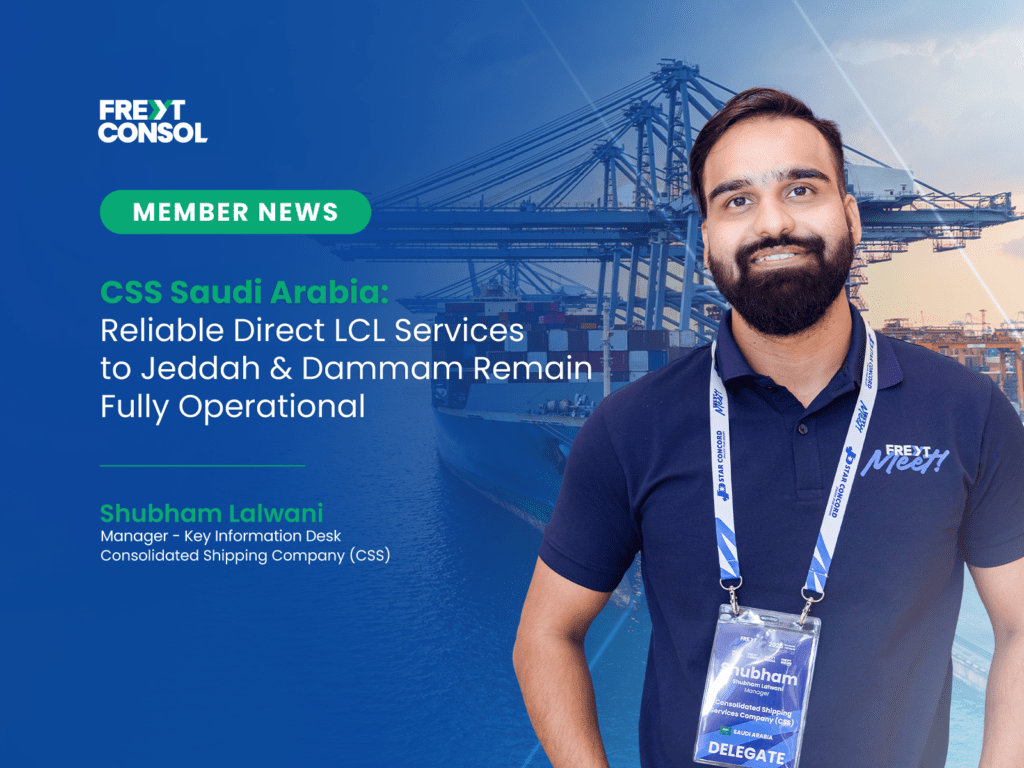 CSS Saudi Arabia has reaffirmed that its direct LCL services to Jeddah and Dammam remain fully operational, with stable schedules from Europe, China, and India. For freight forwarders moving cargo into the Kingdom, this provides a consistent consolidation option amid shifting regional transit conditions. The service offers direct routing, reduced handling, and reliable connectivity into key Saudi gateways.
 - Sri Lanka as the Premier Hub for South Asian LCL
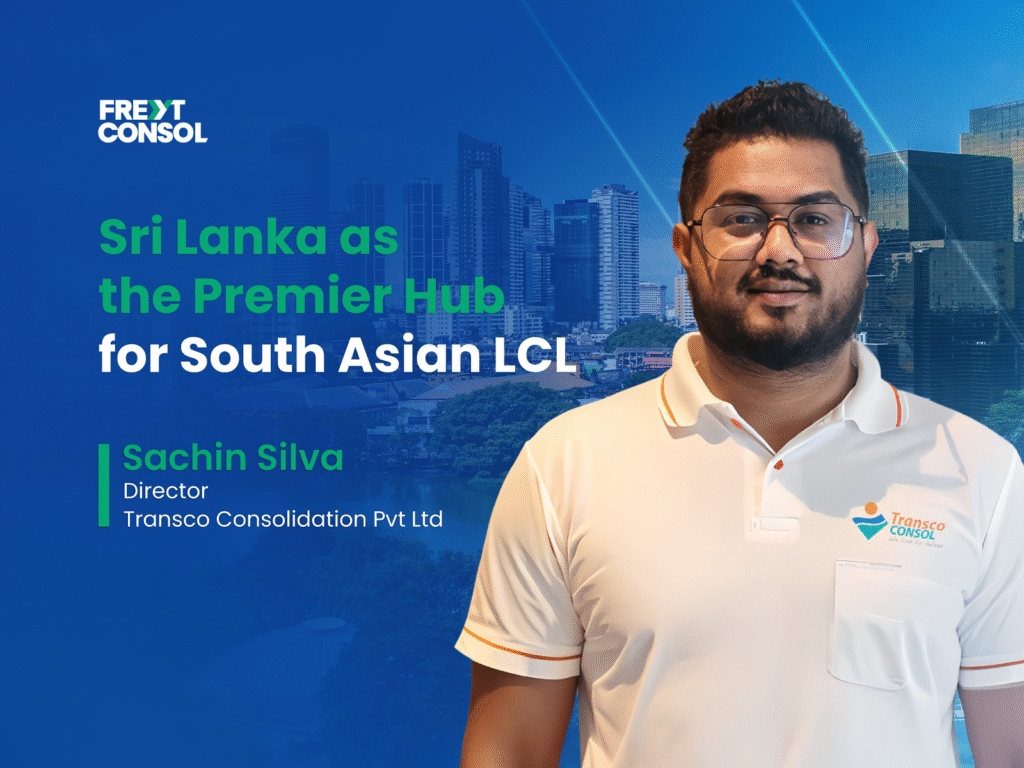 Sri Lanka has cemented its position as the premier hub for South Asian LCL consolidation, with Colombo at the center of regional connectivity. Record container volumes, expanded terminal capacity, and full digital customs integration are strengthening its role as a relay gateway for the Indian Subcontinent. For forwarders moving East–West cargo, Colombo now offers the frequency, speed, and precision LCL operations demand.
 - Optimizing Global Trade via Indonesia Logistics Excellence
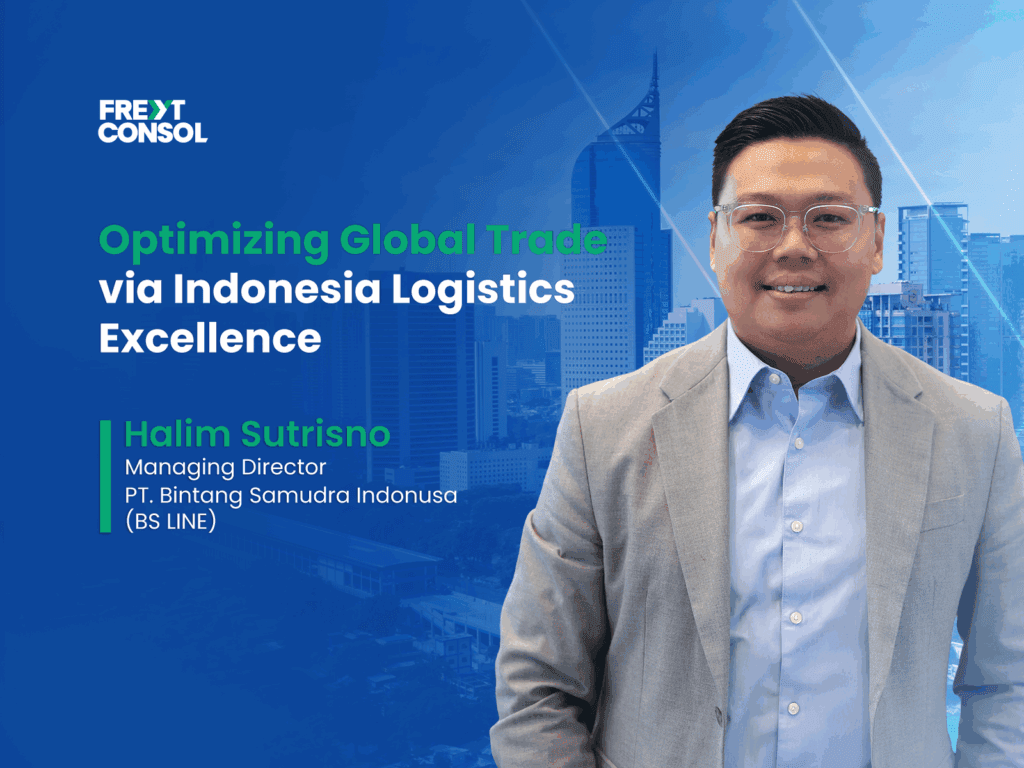 Indonesia’s complex logistics landscape is being transformed through local expertise, LCL consolidation, and digital innovation. Featuring insights from Halim of PT. Bintang Samudra Indonusa (BS LINE), it shows how Freyt Consol partners help global businesses navigate Jakarta’s gateways, archipelago challenges, and evolving trade frameworks with confidence.