

By Kosuke Tanaka, Director at Famous Pacific Shipping Co., Ltd. (Japan)
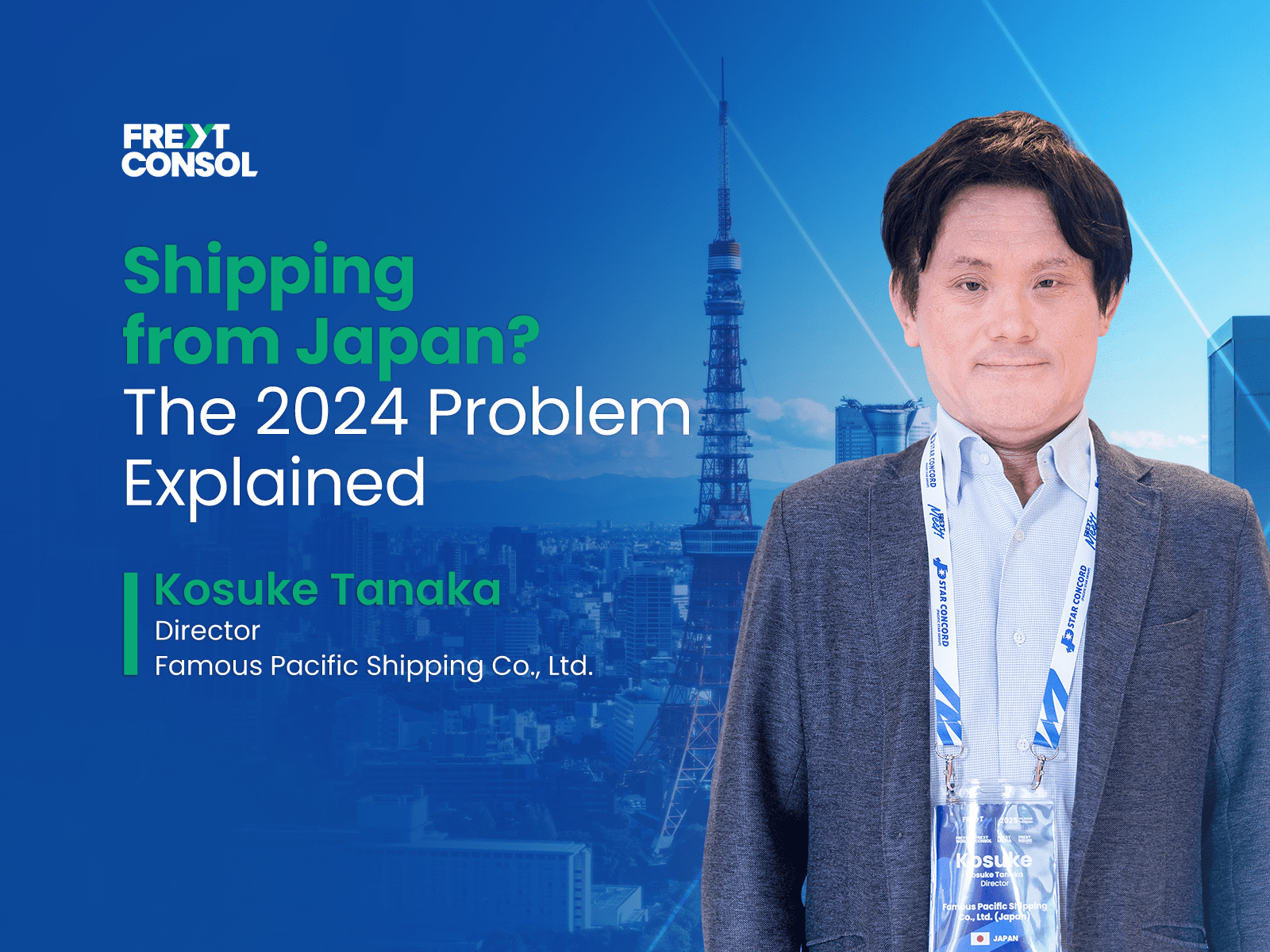
The global supply chain is a complex web of interconnected networks, where a disruption in one region can send significant ripples across the entire system.
Japan, a lynchpin of global manufacturing and a technological powerhouse, is currently experiencing a profound logistical shift known as the "2024 Problem." This domestic challenge, born from a well-intentioned labor reform, has far-reaching implications for international businesses that depend on the steady flow of high-value goods like automotive parts, advanced electronics, and pharmaceuticals from the Land of the Rising Sun.
To navigate this, we turn to our local expert, Tanaka of Famous Pacific Shipping Co., Ltd., Freyt Consol's trusted partner in Osaka. With decades of on-the-ground experience, Tanaka offers invaluable insights into understanding these new challenges, mitigating risks, and ensuring your cargo keeps moving efficiently.
What is the 2024 Logistics Problem?
At its core, the 2024 Problem is the direct result of Japan's Work Style Reform Act, a legislative effort to improve working conditions across various industries. For the logistics sector, a key provision that came into effect on April 1, 2024, was a strict cap on truck drivers' annual overtime, limiting it to 960 hours. While this is a commendable and necessary step towards enhancing driver welfare and attracting new talent, it has created a significant capacity crunch in a nation where over 90% of domestic freight relies on road transport.
This legislative change didn't happen in a vacuum. It amplifies a pre-existing demographic crisis within the industry. Japan has an aging population, and the trucking workforce is one of the oldest. The average age of a truck driver is significantly higher than the all-industry average, and the physically demanding nature of the job has made it difficult to recruit younger generations.
“We were already facing a driver shortage before the 2024 Problem,” Tanaka explains. “The new overtime caps have simply brought the issue to a head. With an aging driver population retiring and a shortage of new talent, these regulations mean there are fundamentally fewer hours available to move the same amount of freight. This is leading to longer lead times for domestic transport, increased costs, and immense pressure on the entire supply chain.”
The immediate consequences are clear: a stark reduction in overall transportation capacity, a higher probability of delays in getting goods to port, and intense competition for available truck space, which in turn drives up prices.
The Ripple Effect on Global Supply Chains
For international businesses, a domestic trucking issue in Japan might seem distant, but its impact is direct, tangible, and costly. The journey of your goods doesn’t begin when they are loaded onto a vessel; it starts at the factory door. Any delay in that crucial first leg of the journey, from the manufacturer's production line to the consolidation warehouse or port, can destabilize meticulously planned shipping schedules.
“A two-day delay in a domestic pickup, which is becoming more common, can mean missing a weekly vessel sailing,” says Tanaka. “This single event can cascade into a week-long delay for your cargo, disrupting production schedules and just-in-time inventory management on the other side of the world. Proactive planning and constant communication are more critical than ever.”
This new reality forces a fundamental shift in how businesses must plan their shipments. The days of assuming seamless domestic transit are over. Building in buffer times, providing longer booking windows, and working with local partners who can skillfully navigate the congested domestic network are now essential practices. This is especially true for shipments under EXW (Ex-Works) terms, where the buyer is responsible for arranging transport from the seller's premises. What was once a routine pickup is now a logistical hurdle that requires deep local knowledge to overcome. Furthermore, this capacity squeeze is not just about time; it's about money. With demand for trucking outstripping supply, domestic freight rates have inevitably risen. These costs are ultimately passed down the supply chain, affecting the final landed cost of goods.
Osaka's Role in the New Logistics Landscape
In this challenging environment, strategic port selection has transformed from a simple preference into a critical competitive advantage. Osaka, as the vibrant economic and industrial heart of the Kansai region in western Japan, offers a compelling and robust solution for shippers looking to insulate themselves from the worst impacts of the 2024 Problem. As a key international port with extensive, modern facilities, Osaka provides a powerful gateway for global trade.
“Osaka's infrastructure is a significant asset in the current climate,” Tanaka notes. “The port is well-connected, highly efficient, and historically less congested than some other major ports in the country. Crucially, the Kansai region is a manufacturing titan, home to global headquarters for companies like Panasonic, Nintendo, and major pharmaceutical firms. By choosing to ship through Osaka, you can often significantly reduce the distance and time required for domestic trucking, which is a massive advantage right now.”
Leveraging Osaka's strategic location and state-of-the-art port operations, including advanced container terminals and direct access to major highway and rail networks, can help businesses bypass some of the most severe bottlenecks plaguing the national logistics network.
LCL Consolidation A Strategic Solution
As businesses and logistics providers grapple with the new realities of Japanese logistics, Less-than-Container Load (LCL) consolidation has emerged as a particularly powerful and strategic tool. In an environment where every square meter of truck and container capacity counts, LCL offers the flexibility, agility, and efficiency needed to keep supply chains fluid and resilient. Instead of being forced to wait and accumulate enough cargo to fill an entire container (FCL), businesses can ship smaller quantities more frequently. This allows them to align shipments more closely with production cycles and manage inventory with far greater precision.
“LCL is providing a vital lifeline for many of our clients, both large and small,” Tanaka emphasizes. “It offers immense flexibility when trucking capacity is tight. We can arrange for smaller, more frequent pickups from factories, which are often much easier to schedule than securing a large truck for a full container load. This approach not only helps navigate the driver shortage but also directly improves cash flow and reduces warehousing costs for our clients by keeping inventory moving.”
Consider an importer of high-end Japanese audio equipment. Previously, they might have waited three weeks to fill an FCL container. Now, facing potential trucking delays, that wait is riskier. Using LCL, they can ship out a few pallets every week. This de-risks their supply chain; a delay with one small shipment is a minor issue, not a catastrophic failure of their entire monthly stock. It’s about being smarter, more adaptable, and more resilient. Freyt Consol, through its global network of expert partners like Famous Pacific Shipping, specializes in architecting these agile and cost-effective LCL solutions.
Future-Proofing Your Japan Supply Chain
The 2024 Problem is more than just a temporary disruption; it is a catalyst for permanent change, accelerating a broader and necessary transformation within the Japanese logistics industry. To succeed in this new era, businesses must think beyond immediate stop-gap measures and adopt a long-term strategy centered on resilience, visibility, and partnership.
This involves a serious embrace of digitalization. Technologies like AI-powered route optimization, IoT sensors for real-time cargo tracking, and blockchain for secure, transparent documentation are moving from novelties to necessities. These tools provide the visibility needed to manage exceptions and make proactive decisions. Sustainability is another key pillar. The Japanese government is promoting a "modal shift" from road to rail and coastal shipping to reduce emissions and road congestion. Aligning with partners who are invested in green logistics, such as the adoption of electric vehicles for last-mile delivery and energy-efficient warehousing, is not only good for the planet but also aligns with the growing global demand for sustainable supply chains.
“The future of logistics in Japan will be defined by efficiency, technology, and deep collaboration,” Tanaka predicts. “We are actively investing in new digital platforms to optimize our operations and provide our clients with the real-time data they need. But technology alone is not a panacea. The human element—the local knowledge, the established relationships with carriers, the ability to find creative solutions on the fly—is what truly makes the difference in a complex and evolving market like Japan. Having a reliable, expert partner on the ground is your best insurance against uncertainty.”
In conclusion, Japan's 2024 Problem presents a significant challenge, but it is not an insurmountable one. By deeply understanding the issue, making strategic decisions about port selection, and leveraging the inherent flexibility of LCL consolidation, businesses can successfully navigate this new logistics landscape. With partners like Tanaka and Famous Pacific Shipping Co., Ltd., Freyt Consol provides the indispensable local expertise and robust global network needed to build a supply chain that is resilient, efficient, and ready for the future.

Article written by
Kosuke Tanaka
Freyt Consol is a global network for LCL consolidators and NVOCCs dedicated to excellence and long-term growth. We create an environment where members thrive by collaborating with trusted partners and accessing essential resources.
Read more Freyt Consol Blogs ⇲
- India Logistics Outlook 2026 for Freight Forwarders
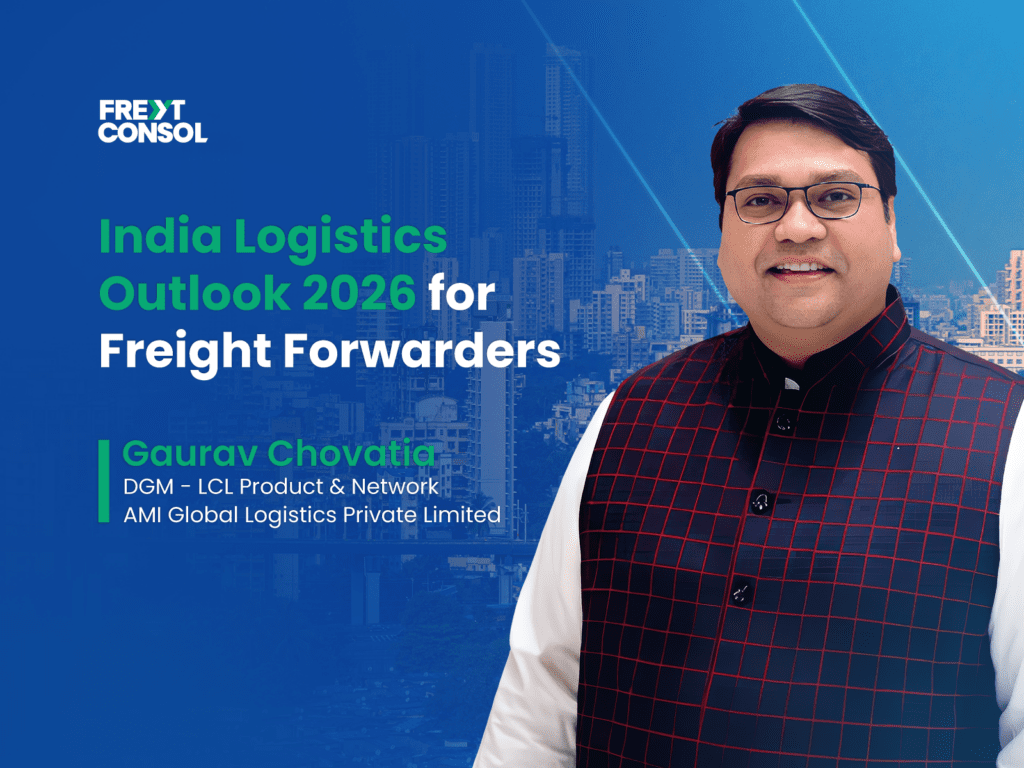 India’s logistics sector is entering a transformative phase in 2026, with Mumbai positioned at the center of LCL consolidation growth. Driven by digital customs reforms, infrastructure expansion, and government-backed initiatives, exporters are gaining greater efficiency and predictability. Gaurav of AMI Global Logistics shares how forwarders can leverage system connectivity, multimodal hubs, and strategic consolidation to stay competitive in the evolving Indian trade landscape.
 - Kuwait Logistics Hub for Global Trade Success
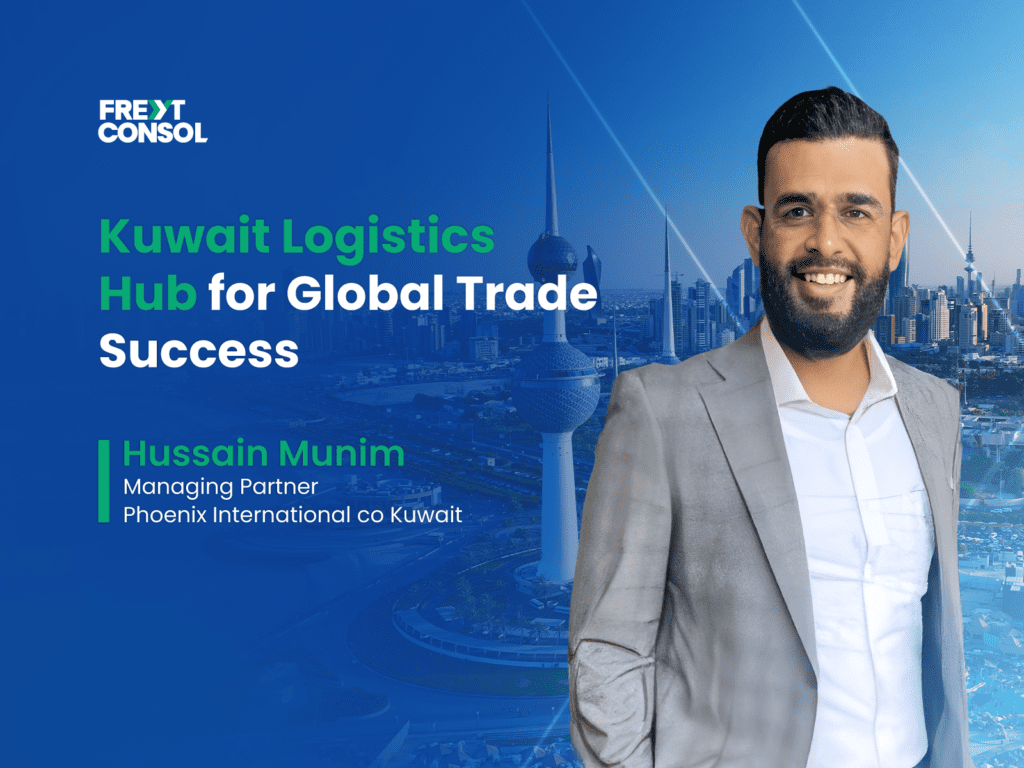 Kuwait’s growth as a logistics hub under Vision 2035, focusing on LCL demand and infrastructure. It highlights expert insights on digitalization, cold chain logistics, and regional trade opportunities.
 - Strengthening Global Trade through Chennai’s LCL Hub
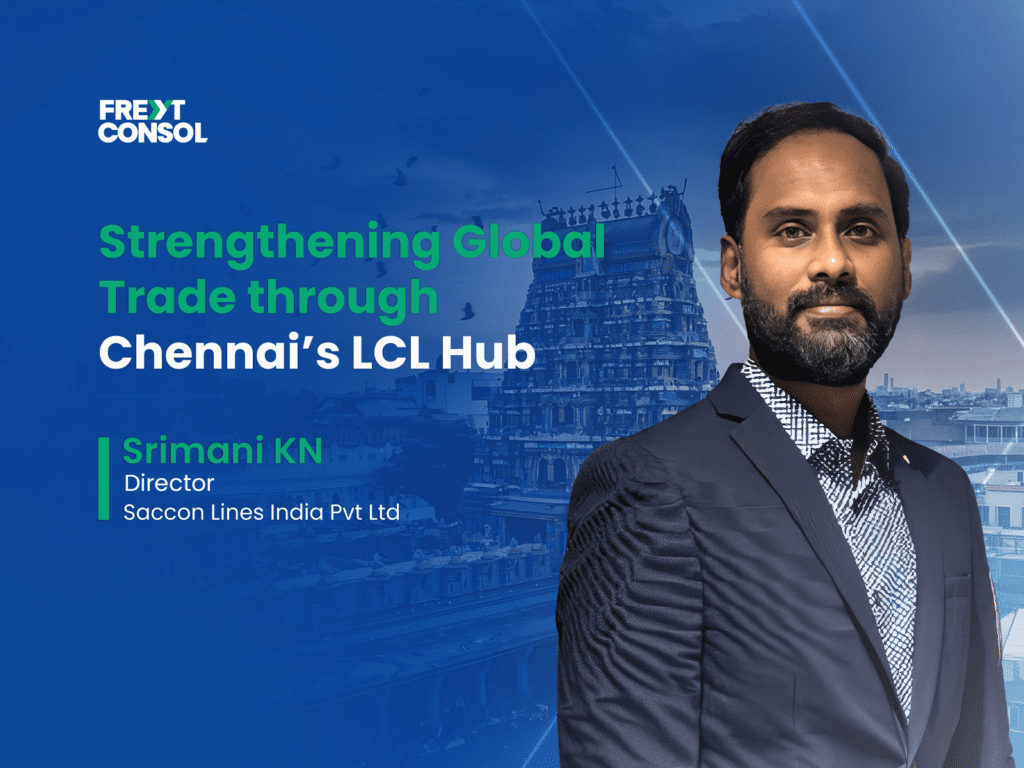 Chennai is emerging as a premier hub for LCL consolidation, driving India’s export growth through advanced infrastructure and digital innovation. With strategic reforms, multimodal connectivity, and sustainability initiatives, the city is redefining efficiency in global logistics. Srimani of Saccon Lines India Pvt Ltd shares expert insights on how Chennai’s capabilities are enabling seamless trade and supporting the evolving needs of international freight forwarders.